
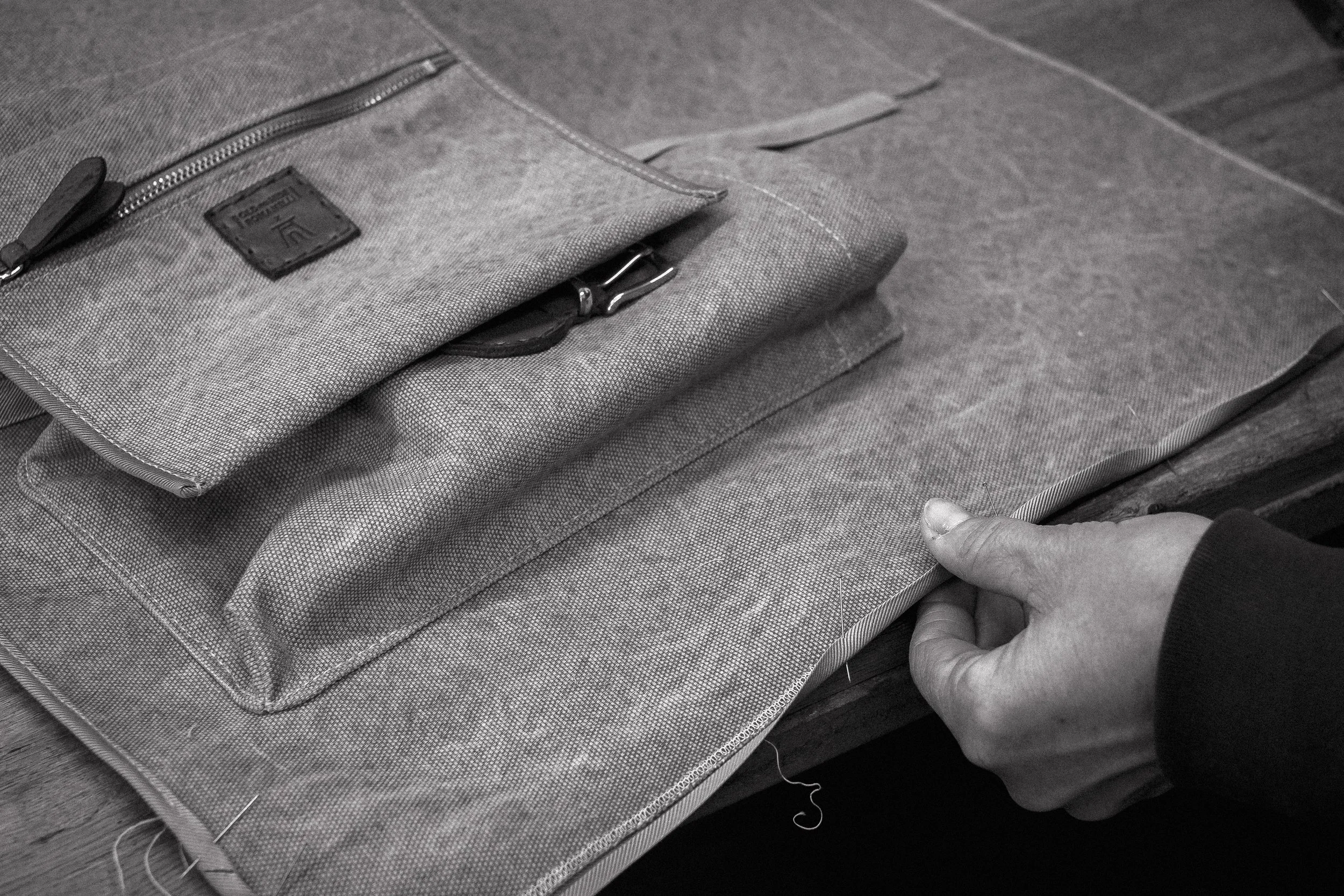
The Romanelli Family:
How It’s Made
Since they began crafting premium leather goods in the early 1990’s, the Romanelli family has maintained an unwavering commitment to sourcing the finest materials and employing the best production methods to ensure the quality of their products.
Impervious to the increasing market pressures to produce “more,” it has become a Romanelli family tradition to prioritize producing “better” in order to set their business apart and meet consumer demands. No shortcuts, no cost-cutting, no excuses; just the finest, most durable leather materials worked by their skilled hands.
All Romanelli products are made using locally sourced materials and are brought to life in the family workshop, nestled away in the hillside just beyond Florence’s 13th-century city walls.
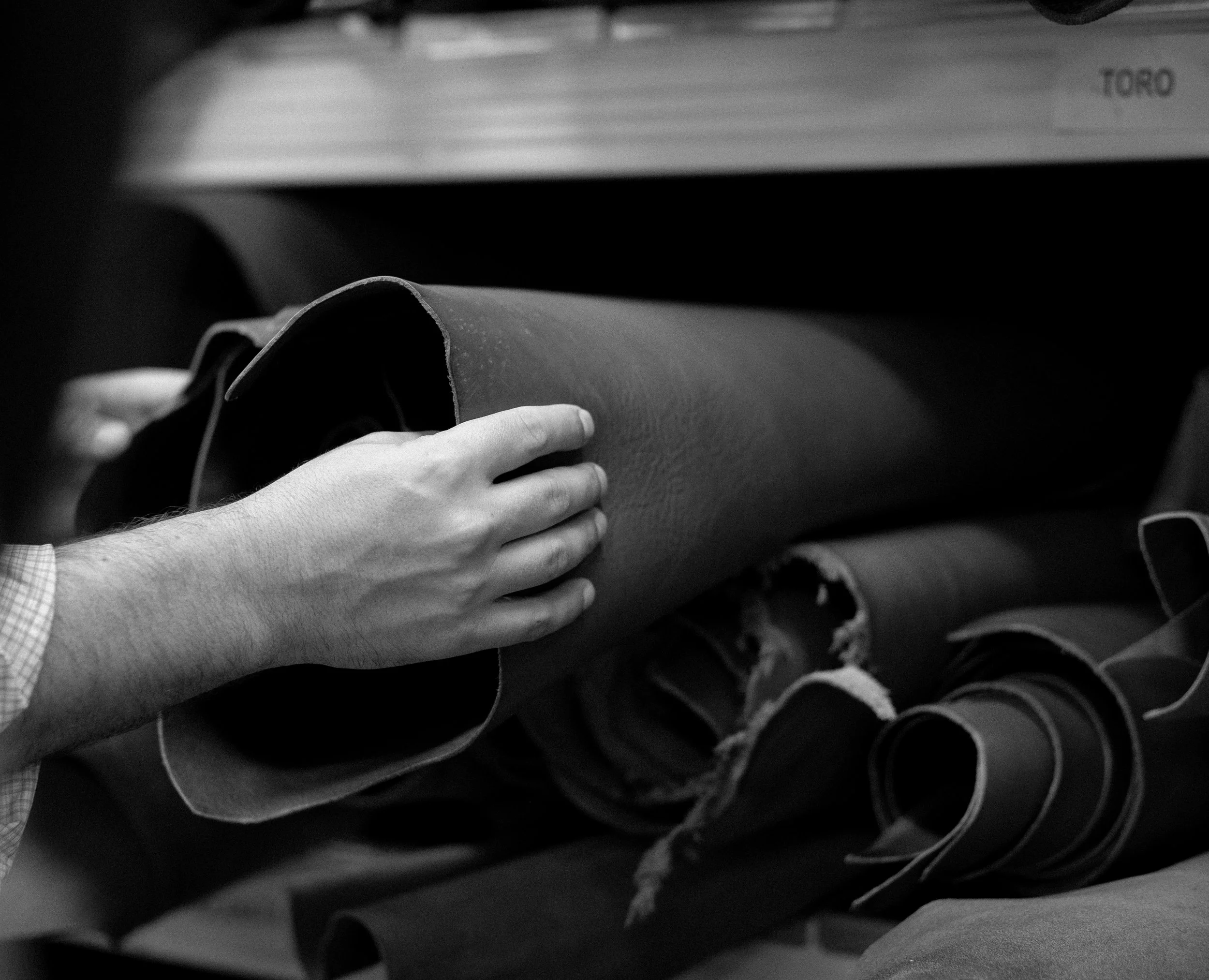
“Our products will only ever be as good as the raw materials we make them with…”
Handsewn
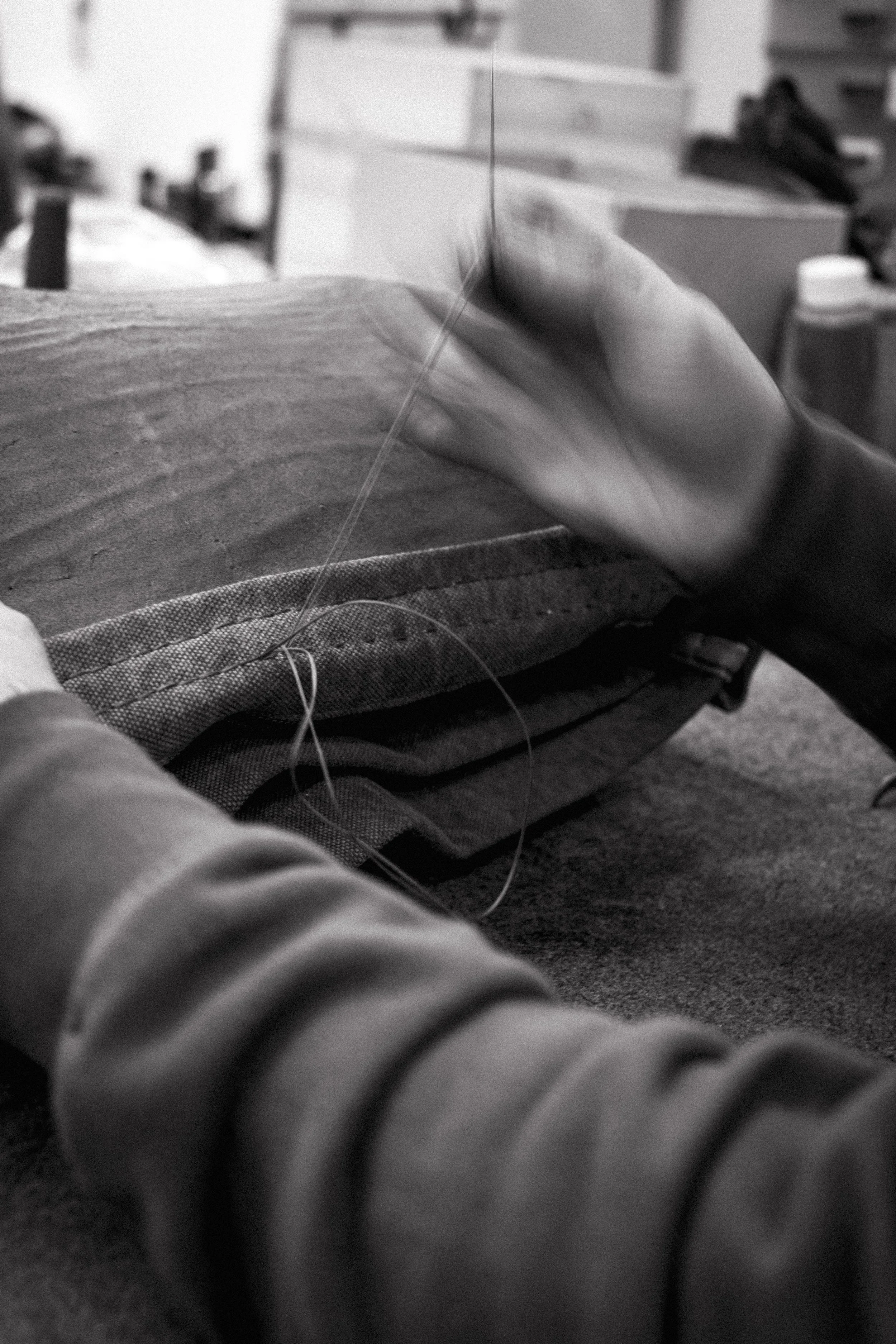
From the beginning, the Romanelli philosophy has never been to produce “more,” but rather to produce “better.” In practical terms, this translates to adopting technology and mechanization when appropriate, yet avoiding it when convenience runs the risk of compromising quality or durability.
For this reason, the Romanelli’s prefer handsewn construction, unless otherwise requested. It is a method that not only adds to the precious nature and aesthetic quality of their bags, but also brings a practicality that informs their preference:

Repairability
I:
Hand-stitched seams are infinitely repairable: over the course of its lifetime, any handsewn Romanelli bag can be disassembled, repaired, and rebuilt as often as might be needed.

Durability
II:
Handsewn stitching is more secure than machine stitching. When threads tear, machine-sewn seams come apart like a zipper. Conversely, the Romanelli’s use handsewn saddle stitching on leather seams, which maintain their integrity even when a single stitch might tear.

No micro-tears
Stitching leather by hand calls for the use of an awl to punch holes for each stitch of a seam. This results in a series of cleanly cut holes that do not compromise the integrity of the leather. By contrast, with each pass of the needle, sewing machines tear a small hole in the leather. Over time, these small tears may become more pronounced with use.
III:
Vegetable Tanned Hides
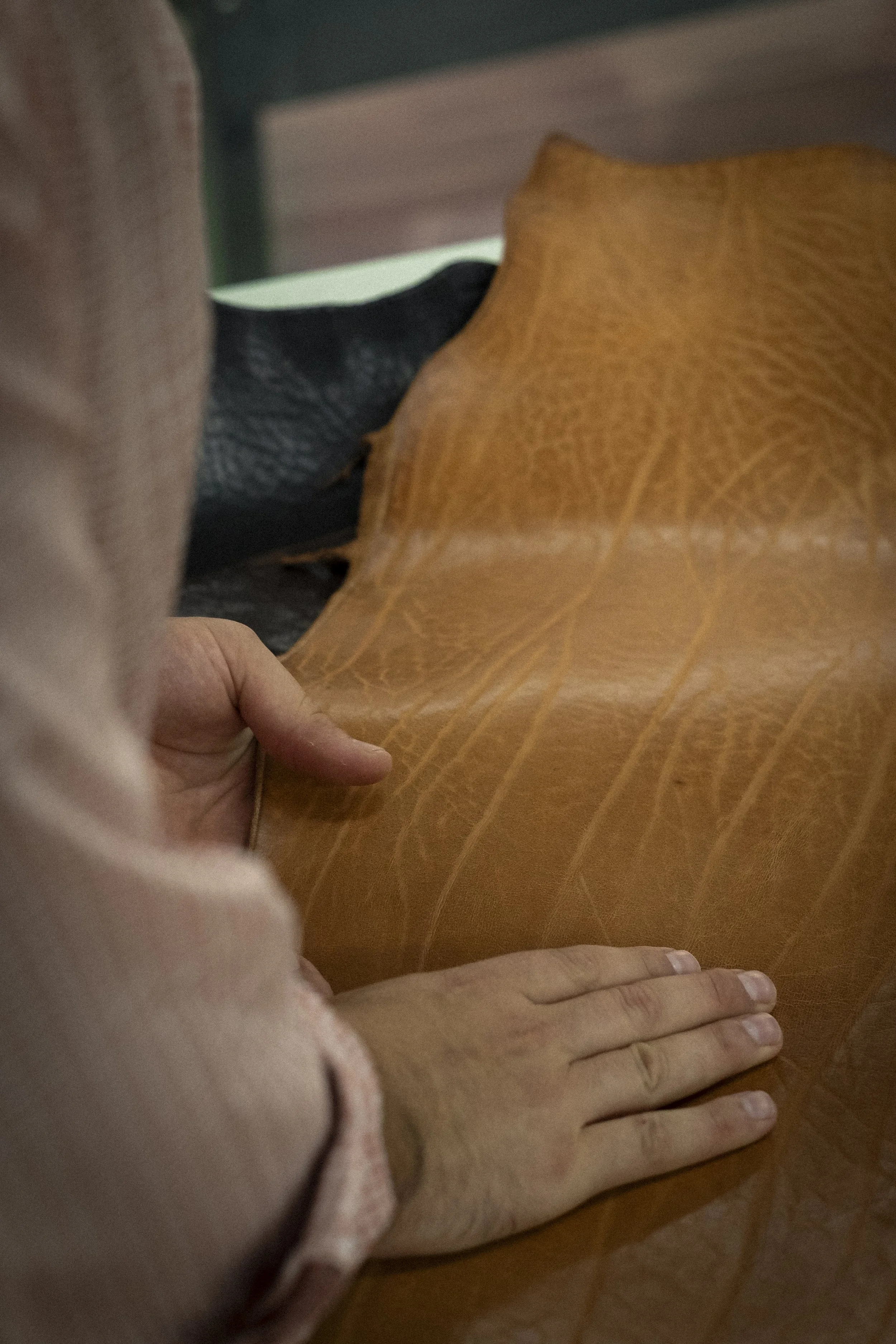
All hides are sourced from local tanneries with whom Stefano and Luca Romanelli have maintained a close working relationship for decades: the craftsmen at the helm of these businesses likewise preserve a rich tradition of artisanal mastery in their own right.
Specialized in vegetable tanning, they employ traditional techniques that call for the use of tannins derived from plants, such as oak, chestnut, mimosas and other woody essences, to transform the hides harvested from cows, bulls, and other animals into durable, premium-quality leather.
Compared to modern, chemical-based alternatives, vegetable tanning is more sustainable and gives the leather a natural and elegant appearance that patinas gracefully with age and use.

In short, Romanelli’s leather goods, whether made from cowhide, bullhide, or exotic leathers, only get better (and more beautiful!) with age.
To explore our leather variations:
Tela Olona Canvas

Romanelli products are designed to endure several generations of hard use, whether on international flights, weekend-long camping trips, or at the stables. Sourcing the right canvas is key to ensuring that each bag will rise to the challenges it might encounter over the course of its decades-long lifespan.
Tela Olona is a robust and durable sailcloth that is woven from 100% premium-quality cotton in Tuscany. Traditionally made for workwear, bags, and other hardwearing items, tela olona also happens to be the same quality canvas used to make the sails of the Italian navy’s 3-mast Amerigo Vespucci training ship.
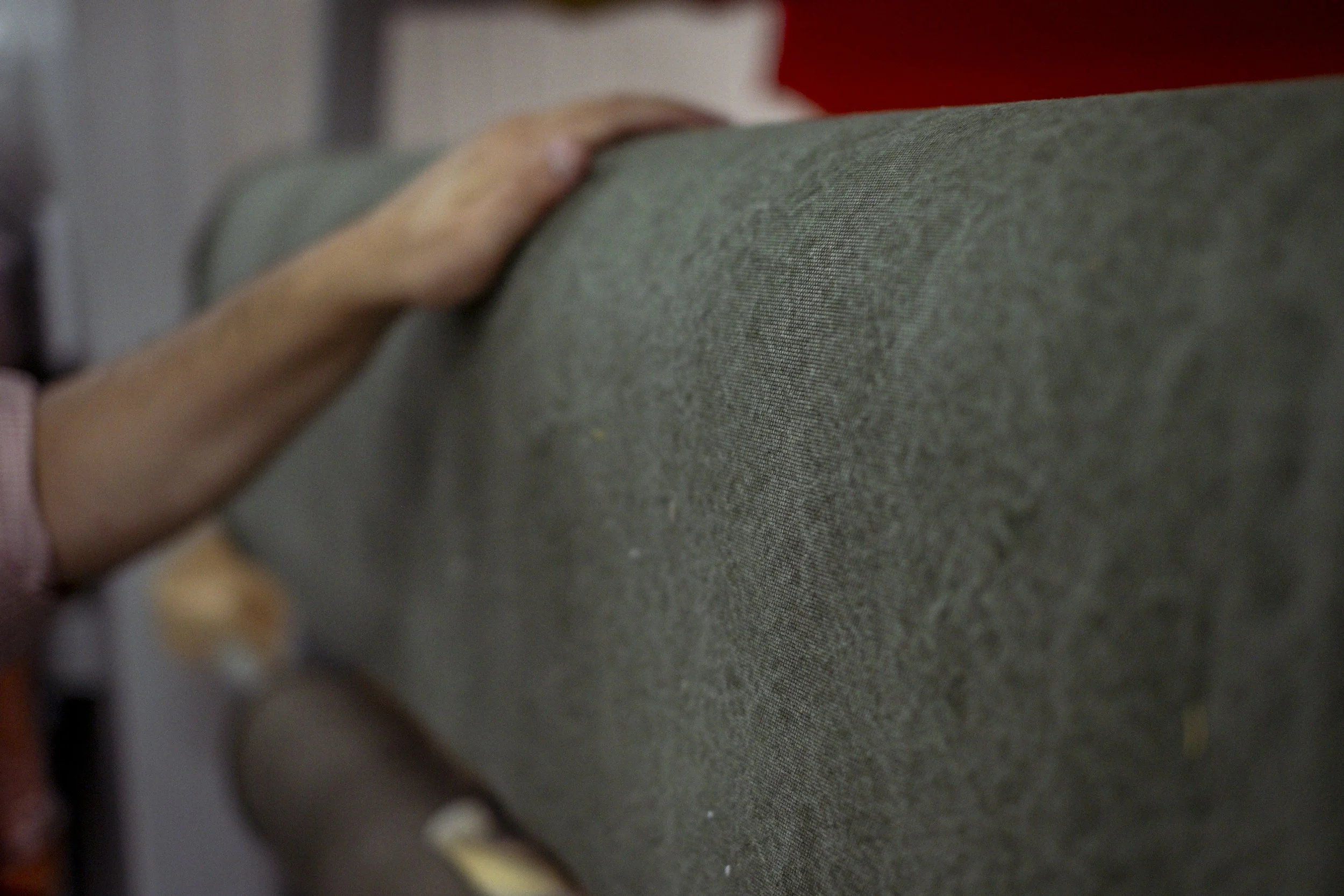
The Romanelli’s maintain an in-house inventory of tela olona in a variety of colors. We will be glad to assist you in selecting the color that best suits your next commission.
To explore more color variations: